
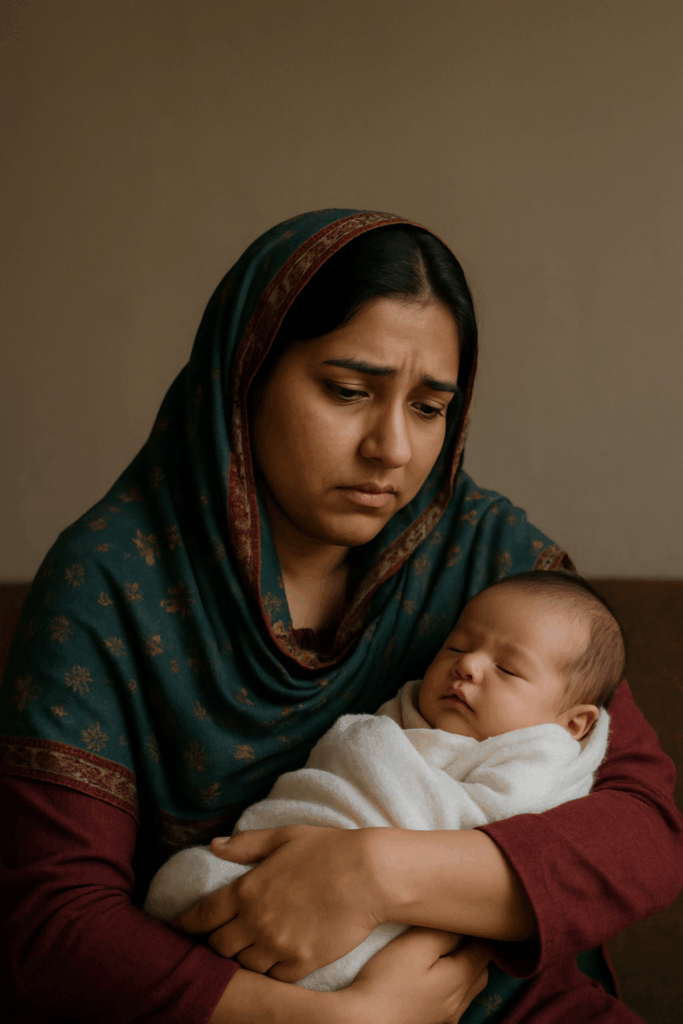
Postpartum depression, also known as PPD, is a prevalent form of depression that impacts women who have just given birth to a child. It is so common that around 15% of women who give birth to a child go through it. However, despite being common, it is also extremely misunderstood and unrecognized. This is especially true for the underdeveloped countries where the awareness regarding this issue is not widespread.
Postpartum depression doesn’t only impact the mother birthing a child. It can also affect surrogates and even the parents who’ve adopted a child.
In this article, we shall talk about the signs and symptoms of this mental health issue and ways through which a young mother can be supported.
Understanding Postpartum depression (PPD)
Postpartum depression is the feeling of loneliness, a constant state of anxiety, a perpetual hate for the post-delivery body, and anxiety that comes from taking care of the baby at all times.
The newly added responsibilities of the baby make a woman feel suffocated. They start right after the birth and may either resolve within two weeks of birth or may extend to many months if not treated properly.
It impacts one in every seven women giving birth and has the tendency to really get severe.
Postpartum Depression VS Baby Blues
Women, after giving birth, experience two kinds of post-delivery psychological issues. The most common of them is baby blues, which is often confused with PPD.
In fact, baby blues come within two to three days of giving birth, owing to hormonal changes and stress. This resolves within two weeks, even if not treated professionally.
On the other hand, Postpartum depression is much severe and intense. It also elongated more. It may start after 2-8 weeks of giving birth and may last a long time!
Another extreme version of Postpartum Depression is Postpartum Psychosis. This is an intense form of PPD that is characterized by hallucinations and paranoia. It requires emergency care but is quite rare in occurrence.
Symptoms of Postpartum depression (PPD)
Postpartum depression has the same symptoms as the regular form of depression. It involves:
- A never-ending feeling of guilt and sadness
- Hopelessness and grief
- Not being able to bond with the baby
- Panicking over every small inconvenience
- Self-harming thoughts, and maybe the thoughts to hurt the baby
- Fear of not being good enough
Though it can impact any woman giving birth and arises from the changes in hormones, women with a history of depression are more prone to it. Despite being common, it is quite misunderstood.
Let’s talk about how to support a new mother who has just given birth and is suffering from PPD.
Also Read :
ڈیلیوری کے بعد ہونے والا ڈپریشن کیا ہے؟
Understand The Occurrence of PPD
First things first, you need to understand and realize the occurrence of postpartum depression. A lot of times, people think the changed behaviour of a new mother is owing to tiredness or lack of sleep. When there is a perpetual showcase of overwhelm and detachment, understand that it is a sign of PPD. Not being able to love or bond with the baby is not a sign of tiredness; rather, it is a signal towards PPD.
Listen Without Judging
Our society places a mother on a high pedestal and doesn’t even realize how much it can impact her! When we value the ‘motherhood’ rather than giving importance to the ‘mother’, it leads to a feeling of betrayal. Also, when she tries to explain herself, she is looked at with great judgment. The first step towards supporting a new mother going through PPD must be to listen to her without any judgment. Let her tell you everything she feels, without you developing any negative
Be There With Her During Medical Appointments
Mothers who attend medical appointments alone often feel isolated and abandoned. This further depresses them. This is why someone must accompany the mothers to the doctors and not let them go to the hospital alone. Even if it’s for a small period, go along!
Be Practically Helpful
New mothers who live in a nuclear setup find it challenging to manage the household. It’s a race against time to clean up the mess, make food, and do the dishes. Also, as they are still in the recovery phase, they are weak and unable to do all the chores on time. In such a situation, helping a new mother run errands and making meals for the family is a good choice. It removes some burden from her shoulders.
Stay Involved
To help a new mother, make some efforts and stay connected with her. Don’t expect her to share everything with you herself! A lot of times, moms are too overwhelmed or busy to stay connected. Make sure you stay in touch and laud her for small wins.
Taking Professional Help
As a well-wisher of the new mom, if you feel like the postpartum depression is worsening with time, seek professional help. In case of persistent anxiety and stress that is through the roof, it is always better to knock on the door of an expert. SehatYab provides online consultation to new moms who can’t travel all the way to a psychologist’s clinic.
These expert medical health practitioners provide professional help to patients going through depression and help them deal with the problem bravely.

- HOW CAREER CONFUSION IMPACTS THE MENTAL HEALTH OF YOUTH IN PAKISTAN - 10 months ago
- بچوں میں ذہنی بیماری کی ابتدائی علامات: والدین کیلئے راہنمائی - 10 months ago
- What is Text Message Therapy? A New Mental Health Solution in Pakistan by SehatYab - 10 months ago
- کیا آپ ذہنی مسائل پر بات کرتے شرماتے ہیں؟ ٹیکسٹ تھراپی آپ کیلئے بہترین ہے - 10 months ago
- PTSD in Children: Impact of Abuse in Madrassas, Schools, and Homes - 10 months ago
- تعلیم مکمل کرنے کے بعد نوکری کا دباؤ: نوجوانوں کی مایوسی کی وجہ؟ - 10 months ago
- How to Heal After a Breakup in University Life: A University Student Mental Health Guide - 10 months ago
- پوسٹ ٹرامیٹک اسٹریس ڈس آرڈر کو جادو یا جن سمجھ لینا: پاکستان میں غلط فہمیاں - 10 months ago
- What is Postpartum Depression? How to Support a Young Mother with Postpartum Depression - 10 months ago
- ڈیلیوری کے بعد ہونے والا ڈپریشن کیا ہے؟ پاکستانی ماؤں کیلئے مکمل رہنمائی - 10 months ago


