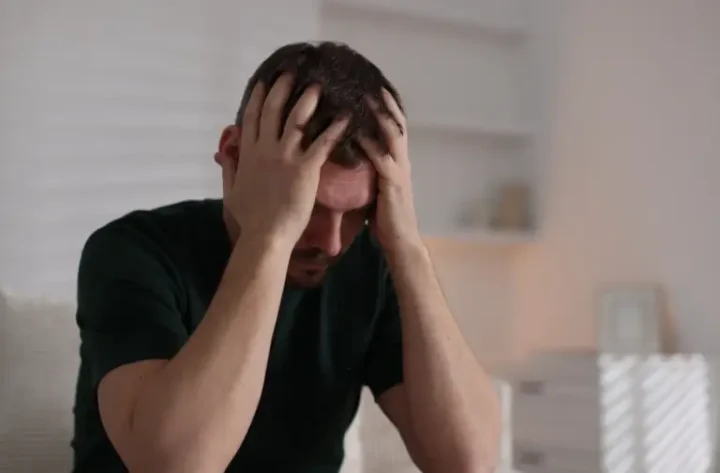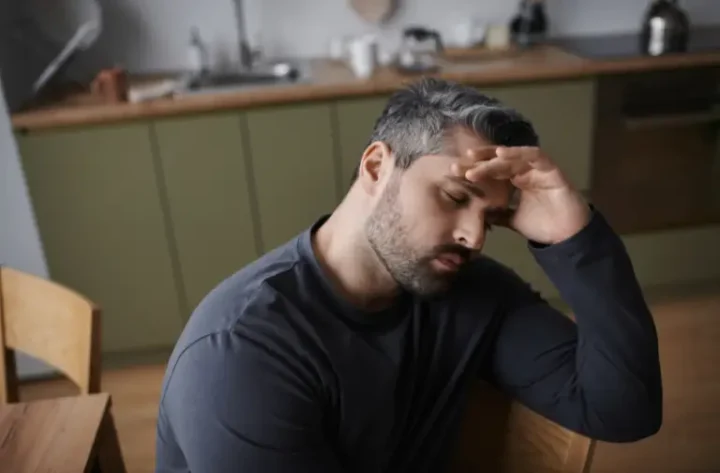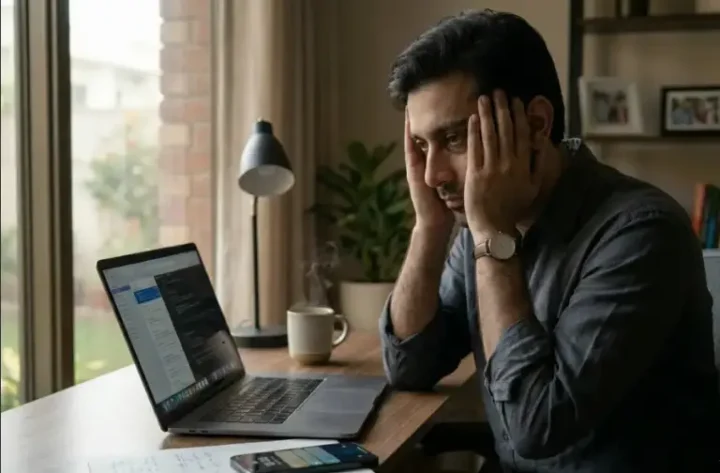
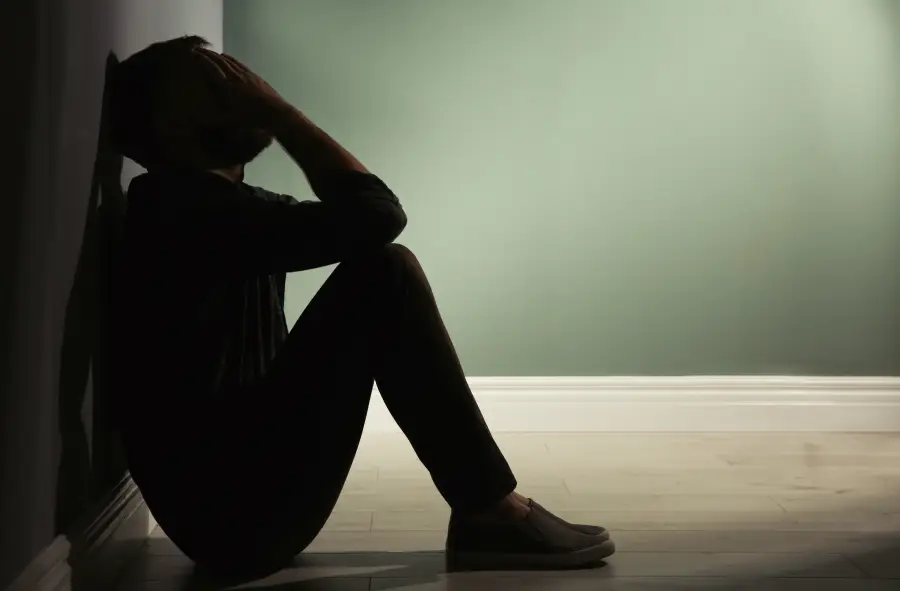
Sometimes you experience some moments in life when the things you once loved don’t hit the same spot anymore. You start losing interest in your favourite things. It happens to everyone but if it persists for more than two weeks, it’s not normal. It’s a major symptom of depression called anhedonia. It’s getting common nowadays, that’s why 70% of people who struggle with major depressive disorder (MDD) face anhedonia. But the majority of people are unaware of it and never recognize why it’s happening. So let’s discuss in detail what Anhedonia is, why it develops, and how to fight against it effectively and take back control of your emotional well-being.
Anhedonia Meaning in Urdu & English
یہ ایک ایسی نفسیاتی حالت ہوتی ہے جس میں انسان ایک جذباتی بے حسی کی کیفیت کا شکار ہو جاتا ہے اور کسی بھی قسم کی خوشی، غم یا دوسرے احساسات کو محسوس نہیں کرتا ہے یہ عام طور پر ذہنی دباؤ یا ڈپریشن کی سب سے بڑی علامت ہوتی ہے
What Is Anhedonia?
Anhedonia is a condition where a person loses the ability to feel pleasure. In simple terms, the word anhedonia means “without pleasure”. Things or moments that once brought joy, like hobbies, socializing, food, or even intimacy, start to feel meaningless. You can’t connect with those moments emotionally. It’s not always happening due to a bad mood; it’s linked to mental health conditions like depression. Anhedonia also affects how strongly a person feels emotionally. Sometimes individuals experience not only a loss of pleasure in activities, but also a reduced emotional response overall, which is sometimes called emotional flatlining.
Types of Anhedonia You Should Know
Not all people experience anhedonia in the same way. It generally appears in two main forms:
Social Anhedonia
This affects your interest in people and relationships. You might:
- Avoid social interactions
- Feel emotionally distant
- Lose interest in conversations
Remember, it’s not the same as social anxiety disorder, in which people have a fear of judgment. Social anhedonia is all about avoiding engaging with other people.
Physical Anhedonia
This impacts sensory pleasure, like:
- Food tasting bland
- Music does not feel enjoyable
- Reduced physical or emotional excitement
- Intimacy no longer feels pleasurable
Some studies show that higher levels of physical anhedonia are linked to severe depression and make the condition more complicated.
Both of these anhedonia types can overlap, and people can experience both of these.
Why Anhedonia Matters More Than You Think
People do not take it seriously and think of it as just stress or burnout because they don’t know how anhedonia can seriously affect their quality of life. The thing that makes it more risky is that it links to early warning signs of deeper mental health issues, including:
- Major Depressive Disorder
- Schizophrenia
- Post-Traumatic Stress Disorder
- Bipolar Disorder
Research suggests that people with anhedonia can face a higher risk of suicidal thoughts and behaviors, particularly in those with PTSD. It has also been linked to an increased chance of developing dementia, including conditions like Alzheimer’s disease, and can raise the risk of serious heart-related complications in people who are already suffering from cardiac issues.
Common Signs and Symptoms of Anhedonia
Different people have different anhedonia symptoms depending on the type. Some common signs of anhedonia include:
Emotional Symptoms
- Feeling emotionally numb
- Lack of excitement or anticipation
- Inability to feel satisfied or happy.
- little motivation to engage in activities you once found enjoyable.
Behavioral Symptoms
- Distancing from relatives and friends.
- Ignoring hobbies or activities.
- Reduced productivity in school or at work.
- Avoid social situations.
Physical Symptoms
- Loss of appetite or overeating
- Low energy levels
- Reduced libido
- Poor sleep patterns
And the frustrating thing is that you know you should feel something but you don’t.
What Causes Anhedonia?
There is no single cause of anhedonia. This loss of interest in activities happens due to a combination of biological, psychological, and environmental factors.
Brain Chemistry & Dopamine Imbalance
Pleasure and reward are controlled by the brain’s dopamine system. When this system isn’t working properly, it becomes harder to feel joy. Low dopamine levels are strongly linked with:
- Depression
- Addiction
- Chronic stress
Dopamine is just like your brain’s reward signal. When it gets off, then everything feels less rewarding.
Mental Health Disorders
Anhedonia is a symptom, not a standalone condition. It’s especially common in:
- Schizophrenia
- Anxiety Disorders
Chronic Stress & Burnout
When you’re constantly stressed, your brain shifts into survival mode. Over time, this can dull your emotional responses. Stress hormones like cortisol can affect the pleasure pathways and make it harder to enjoy anything.
Trauma & Emotional Pain
Emotional shutdown can result from experiencing trauma, whether it be psychological, physical, or emotional. Anhedonia is frequently used as a coping strategy in conditions like Post-Traumatic Stress Disorder. It’s like your brain is trying to protect you by numbing everything.
Substance Use & Addiction
Drugs and alcohol can overstimulate the brain’s reward system. Over time, this reduces your ability to feel pleasure naturally. Even if you quit, your brain takes time to recover.
Medical Conditions
Some physical health issues can also contribute to anhedonia, such as:
- Parkinson’s disease
- Chronic pain conditions
- Hormonal imbalances
Anhedonia vs Depression: Are They the Same?
No, anhedonia and depression are not the same. Anhedonia is a major symptom of depression but you can experience anhedonia without being clinically depressed.
- Depression is a persistent sadness, low energy and hopelessness
- Anhedonia is the lack of pleasure and interest
They often overlap but they’re not identical.
How Is Anhedonia Diagnosed?
There’s no single test for anhedonia. Instead, mental health professionals assess your symptoms through:
- Clinical interviews
- Psychological questionnaires
- Medical history review
Most providers use questionnaires such as the Snaith-Hamilton Pleasure Scale (SHAPS), which is a 14-item measure. It helps to diagnose underlying conditions like depression or other mental health issues. If you experience these symptoms for more than a week, then you should evaluate them.
Treatment Options for Anhedonia
Anhedonia treatment is possible. Recovery takes time, but with the right approach, you can enjoy things again.
Therapy (Psychological Treatment)
Therapy is often the first step. Different therapies can help treat anhedonia, including:
i. Cognitive Behavioral Therapy (CBT):
This helps you identify negative thought patterns and replace them with healthier ones. It also encourages behavioral activation, basically slowly reintroducing activities into your life, even if they don’t feel enjoyable at first.
ii. Talk Therapy:
Sometimes, just talking things through can help process emotions and reconnect with yourself.
iii. Medications:
In some cases, doctors prescribe medications, especially if anhedonia is linked to depression or anxiety. Some common medications include antidepressants like SSRIs and Dopamine-targeting medications. But not all medications work the same for everyone, so it takes time to find the right one.
Lifestyle Changes That Actually Help
These are some small steps that can change your mental health disorders. Start with small actions; you don’t need to fix everything. Make your routine starting with a short walk, listening to one song, and talking to one friend. Even if you don’t feel enjoyment right away, consistency is important.
Some other steps include:
- Exercise increases endorphins and dopamine. Over time, even slight activity can improve your mood.
- Emotional numbness can be increased by insufficient sleep. Make sure your sleep schedule is regular.
- Eat well-balanced meals because brain health is influenced by nutrition. For example, Omega-3 fatty acids help in mood regulation.
- Limit alcohol and drugs because they can increase anhedonia over time.
Mindfulness helps you reconnect with the present moment. You do not feel joy instantly but you can start noticing small details again, like the taste of food, the feeling of sunlight, and the sounds around you. It’s about slowly rebuilding your emotional connection. And try to be social and stay connected with people. Isolation can increase your symptoms of anhedonia. Try little interactions like a short call or a casual meetup.
Can Anhedonia Go Away?
Yes, it can. But recovery depends on the cause and how early you address it. It can be recovered within weeks, but it can take a longer time. And two things that are very important are consistency and patience. It’s not possible that you suddenly feel amazing but slowly you regain your lost interest.
When Should You Seek Help?
If you’ve been feeling emotionally numb for more than 2–3 weeks, or if it’s affecting your daily life, it’s time to talk to a professional.
Especially if you notice:
- Persistent lack of interest in everything
- Social withdrawal
- Changes in sleep or appetite
- Feelings of emptiness
Getting help early can prevent you from facing more complications.
How SehatYab Can Help You
Only the best support and treatment can help you recover from anhedonia. If you’re looking for the right care, SehatYab can help connect you with qualified mental health professionals.
Our experienced providers provide you with personalized care plans and make it easier to take the right steps toward healing. Whether it’s therapy, consultations, or ongoing support, SehatYab helps you regain control, rediscover joy, and move forward with confidence. For consultation, contact us: +92 304 111 2310
FAQs:
What is the definition of anhedonia in simple terms?
Anhedonia refers to the inability to experience pleasure or enjoyment from things that are meant to make you joyful and enjoyable. It could be hobbies, eating, socializing, or simply spending time with loved ones.
What are the early signs of anhedonia?
Some early signs of anhedonia are losing interest in hobbies you once enjoyed, experiencing emotional numbness, avoiding social situations, and having difficulty in feeling motivated or excited.
What are the causes of anhedonia?
Chemical imbalances in the brain, long-term stress, trauma, substance abuse, and mental health issues like anxiety disorders and post-traumatic stress disorder are the major causes of anhedonia.
What causes emotional numbness?
When your brain is overworked or attempting to protect you from stress, trauma, or emotional suffering, emotional numbness occurs. It is frequently associated with disorders like depression, chronic stress, or post-traumatic stress disorder, where your capacity to experience emotions is temporarily affected.
How to fix anhedonia naturally without medication?
Small, regular lifestyle changes like keeping an active lifestyle, getting better sleep, maintaining a routine, eating a balanced food, and staying in touch with social connections can help you naturally manage anhedonia. Your brain can gradually relearn how to perceive pleasure by using mindfulness and reintroducing pleasant activities.

- CBT for Depression – How It Works & Where to Find It in Pakistan - 1 week ago
- Burnout Meaning in Urdu – ذہنی تھکاوٹ کیا ہے؟ علامات، وجوہات اور علاج - 1 month ago
- What Is Anhedonia? Meaning, Symptoms & How to Treat It - 2 months ago
- The Terrifying Truth About Social Media: Impact on Adolescents - April 26, 2024
- Five Tips to Break Bad Habits - April 23, 2024
- LIVE LONG, LIVE WELL: KEYS TO ENJOYING A LONG LIFE - April 20, 2024
- The Effects of Stress on your Body - April 20, 2024
- 5 Things to Tell Your Kids about Cyber-bullying - April 19, 2024
- Top 5 tips to Manage Depression in Teenagers - April 18, 2024
- 5 Ways to Find Peace of Mind - December 1, 2020